Comparing Linear vs Open Progression Structures
7 June 2026
Ever played a game where you felt like you were on a straight track with no detours, just following the story like a train on rails? And then flipped over to another game where you could literally wander off to fight chickens in a village before facing the “end of the world” boss? Yeah, that’s the difference between linear and open progression structures in games.
In the massive world of game design, these two progression styles are like night and day. They cater to different play styles, offer unique experiences, and can even shape how we emotionally attach to a game.
Let's dig deep into both systems, figure out what makes them tick, and maybe answer that eternal gamer question: is freedom worth more than focus?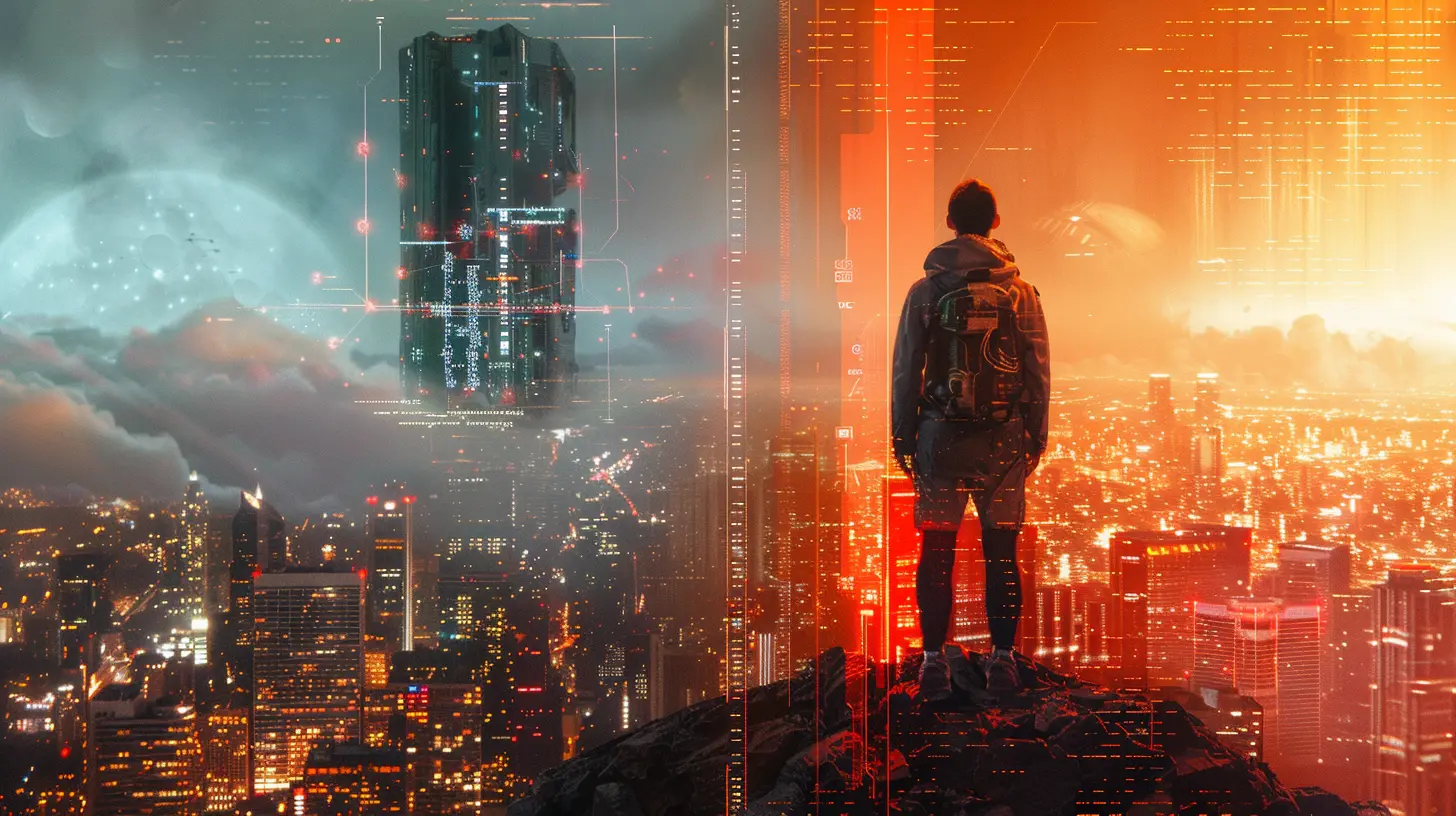
What Is a Progression Structure in Games Anyway?
Before we throw linear and open progression into the ring, let’s talk about what “progression” even means when it comes to games.In simple words, progression is how you move forward through a game. It could be unlocking levels, getting stronger gear, learning more about the story, or just surviving longer than you did last time. It’s the invisible path that keeps you asking, “What’s next?”
Progression structures are the blueprints behind that path. They decide how much control you have over your journey.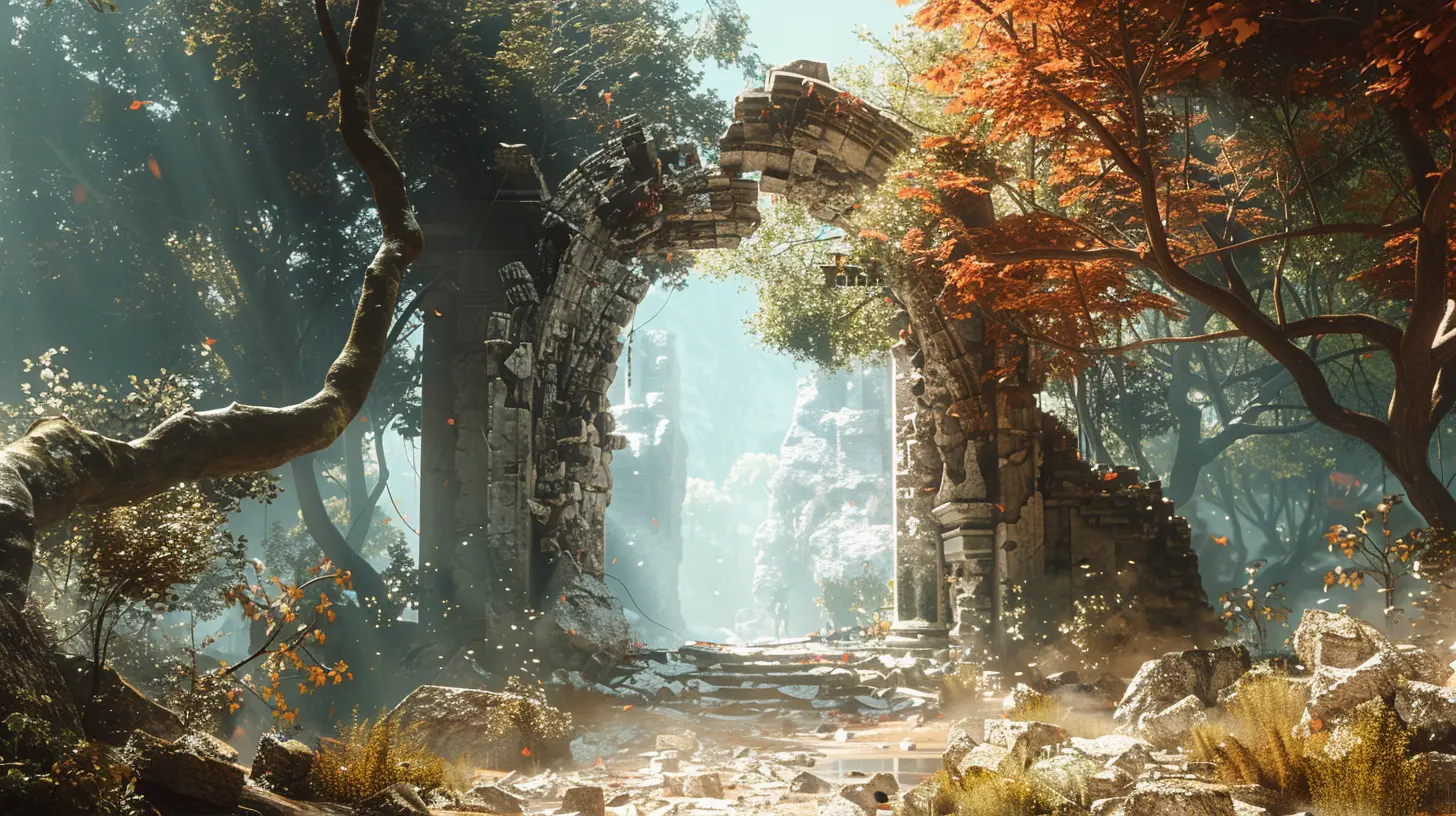
Linear Progression: The Straight Road Trip
Imagine you're on a road trip, but you’ve only got one route, and all the gas stations, hotels, and scenic viewpoints are pre-decided. That’s linear progression – it’s a step-by-step journey designed by the developers.? How It Works
In linear progression, you go from Point A to B to C. Story missions follow a solid sequence. You can’t fight the boss in chapter five unless you finish chapters one through four. Think older Call of Duty campaigns or the Uncharted series. The developers know exactly how your experience will unfold.? Key Features
- Tightly controlled story pacing- Limited player choice
- Unlocks that follow a set timeline
- Set pieces and memorable moments planned in advance
- Usually shorter in gameplay length but more cinematic
✅ Pros
- Strong Narrative Focus: If you love gripping stories and characters, this is where it shines.- No Distractions: You always know what to do next. No wandering around looking for a key you missed.
- Better Polishing: Developers can fine-tune every encounter, every moment.
❌ Cons
- Lower Replayability: Once you’ve beaten it, there’s little reason to go back.- Less Freedom: Want to skip the main mission and go fishing? Too bad.
- Can Feel Restrictive: You’re playing the game, but on someone else’s terms.
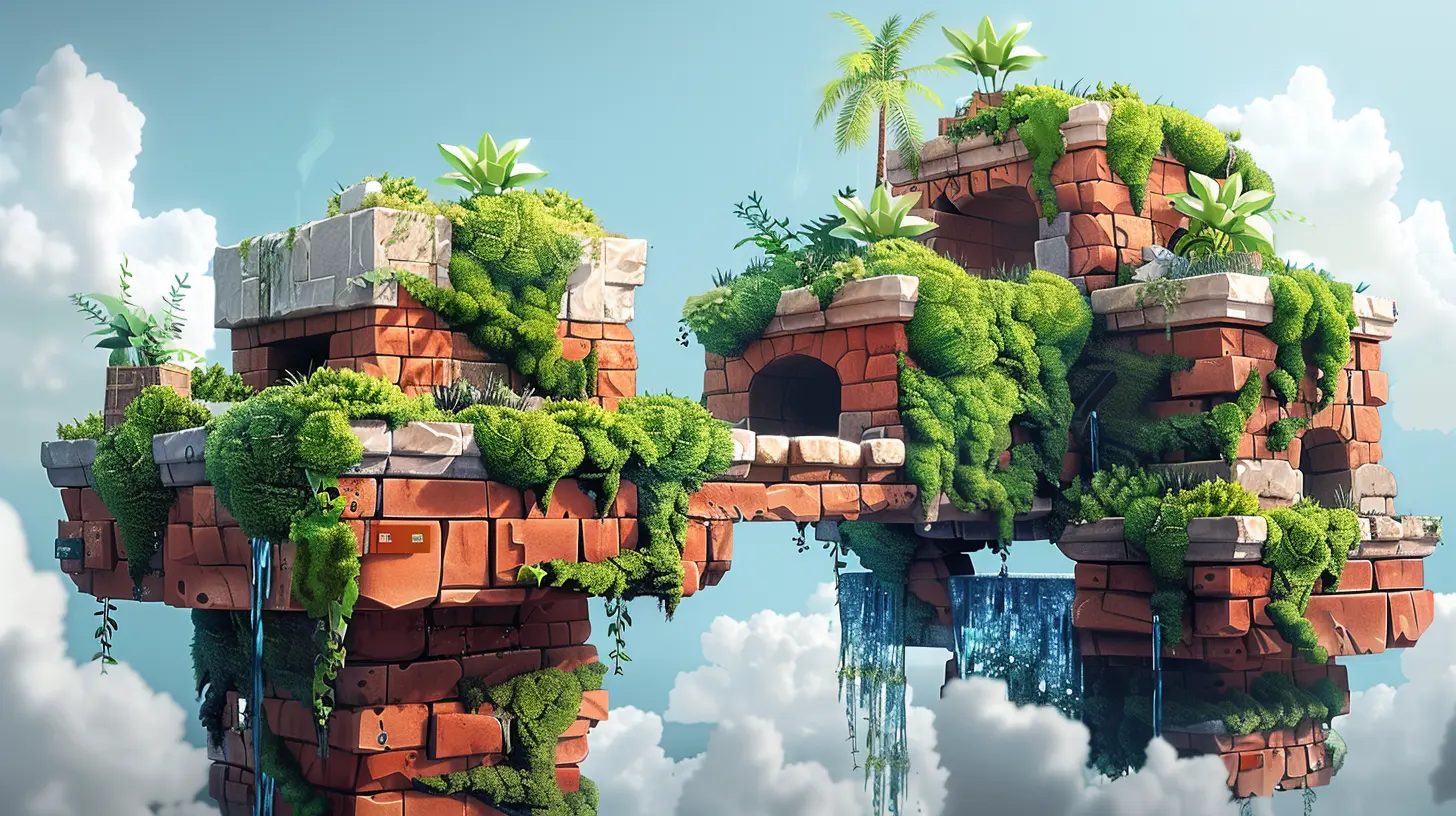
Open Progression: The Choose-Your-Adventure Experience
Now picture the opposite road trip. Same starting point and destination, but you get to pick the route, stop at local diners, take weird backroads, and even camp under the stars. That’s open progression – it hands over the keys to you.? How It Works
Open progression lets players tackle content in whatever order they choose. You may be able to fight the big bad boss early if you’re brave (or reckless) enough. Games like The Legend of Zelda: Breath of the Wild or Skyrim are perfect examples.? Key Features
- Non-linear storytelling- Side quests galore
- Player-controlled pacing
- Dynamic world exploration
- Lots of systems (crafting, leveling, choices)
✅ Pros
- Freedom to Explore: Go anywhere, do anything. Be a hero or just live in a cabin.- High Replayability: Try again and take a different path.
- Immersive Worlds: You feel like part of the world, not just a visitor.
❌ Cons
- Can Be Overwhelming: So many choices, so little direction.- Loose Storytelling: Plot might feel less urgent or emotionally punchy.
- Balance Issues: You might end up under-leveled or overpowered.
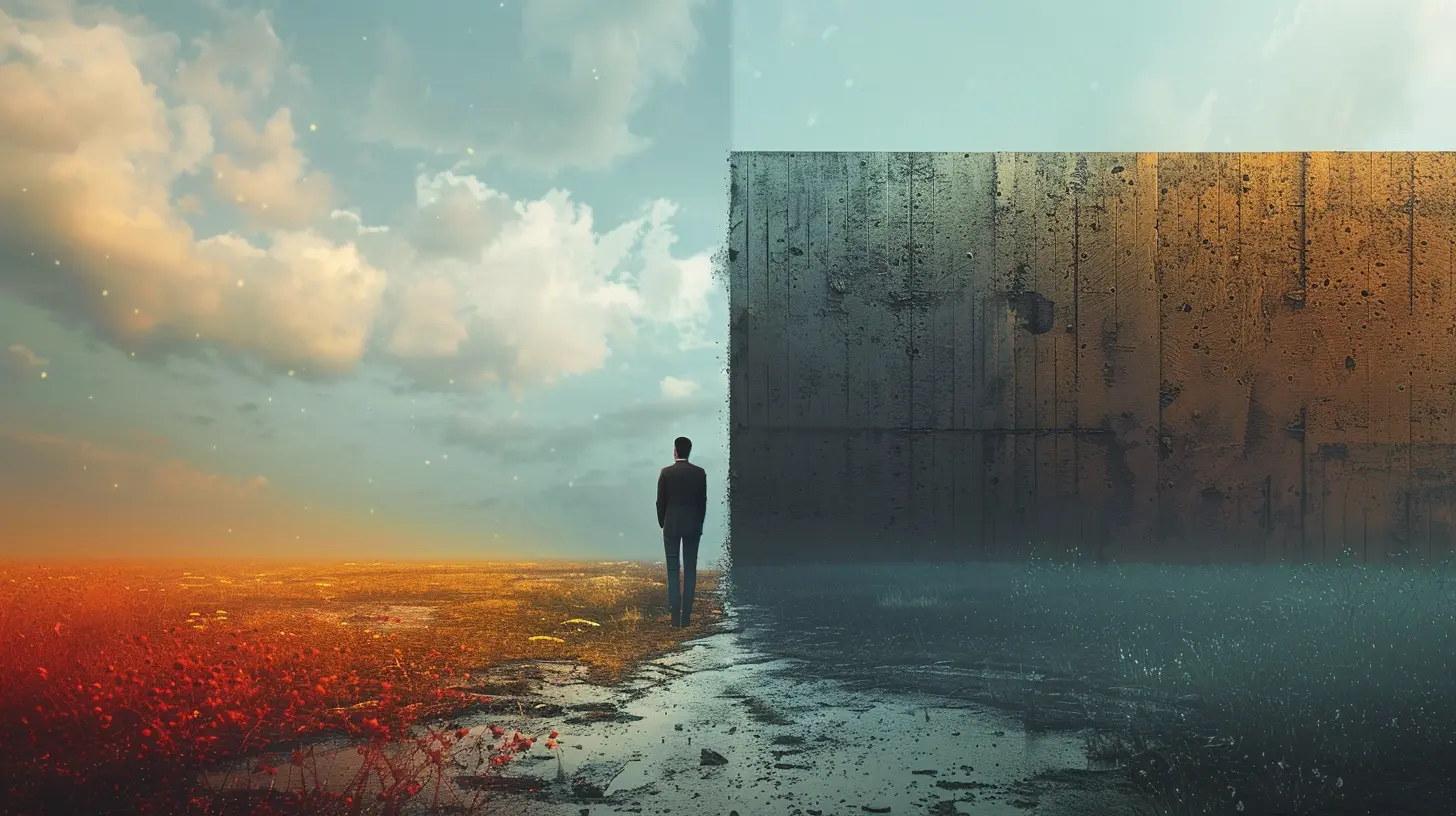
So, What's the Big Difference?
At the core, linear progression is developer-driven while open progression is player-driven. Linear games are like watching a movie you interact with. Open games? They're more like sandbox playgrounds where you write your own story.Let’s break it down even further.
| Feature | Linear Progression | Open Progression |
|--------|---------------------|------------------|
| Story Flow | Pre-determined | Flexible |
| Player Choice | Low | High |
| Exploration | Minimal | Extensive |
| Replayability | Low | High |
| Sense of Direction | Always clear | Sometimes unclear |
| Emotional Impact | Strong, focused | Depends on player engagement |
Hybrid Games: Best of Both Worlds?
Now, not all games are strictly one type or the other. Many modern titles blend these styles, giving structure without sacrificing freedom.Take Witcher 3, for example. It has a major storyline (pretty structured), but you're free to explore, make choices, and finish side quests in any order. Or God of War (2018) – it feels linear but offers open zones to explore between main quests.
Hybrid progression is like adding branches to a trunk. The base remains firm, but you’re allowed to climb it however you want.
What Kind of Player Are You?
Choosing between linear and open progression often comes down to your mood (or your personality type).Let’s figure out where you might land:
? Do You Prefer:
- Being told a compelling, emotional story? Go linear.- Making your own story as you go? Open's your thing.
- Small doses of freedom with some guidance? Try hybrid games.
? Are You:
- An achievement hunter? → You may prefer linear games for clear goals.- A curious explorer? → Open progression will keep you hooked.
- A completionist? → Hybrid games can offer the best checklist of both.
The Psychology of Player Agency
Here's something interesting – open progression taps into our natural desire for autonomy. It makes us feel in control. That sense of control can lead to more satisfaction when we overcome challenges. It’s not just “you beat a boss,” it’s “you chose to fight this boss, your way, and you crushed it!”Linear games, however, excel at crafted emotional journeys. You feel what the developer wants you to feel at exactly the right moment – whether it’s adrenaline, sadness, or triumph. It’s like a rollercoaster: you’re not steering, but the ride is unforgettable.
The Developer's Perspective
Designing linear progression is like scripting a movie. Every scene, dialogue, and fight is choreographed.Open progression? That’s more like designing a theme park. You have to make sure every ride is fun, safe, and discoverable – no matter what order people try them in.
It’s a harder job, honestly. Balancing freedom with fun without letting players feel lost? Not easy.
Hybrid games give developers the best shot at reaching a large audience – satisfying both story-lovers and explorers.
Real-Life Game Examples
Here’s where the theory meets your controller:? Linear Titles:
- The Last of Us (I & II)- Halo Campaigns
- Tomb Raider (Reboot series)
- Resident Evil Village
? Open Progression Titles:
- The Elder Scrolls V: Skyrim- Minecraft (with survival mechanics)
- Elden Ring
- GTA V
? Hybrid or Mixed:
- Cyberpunk 2077- Horizon Zero Dawn
- Ghost of Tsushima
- Red Dead Redemption 2
Final Verdict: Which Is “Better”?
Okay, here's the truth bomb: neither structure is better than the other.It all depends on what you’re looking for in a gaming experience.
- Want a deep story with emotional highs? Go linear.
- Crave freedom and exploration? Go open.
- Can’t decide? Try a hybrid.
There’s no wrong way to play, only what feels right to you.
The Future of Progression Structures
With the rise of AI, procedural generation, and cloud computing, we could see even more flexible progression systems in the future. Imagine games that adapt to your playstyle in real time, blending structure and freedom seamlessly.The industry is evolving – and so are the ways we experience games.
Linear and open progression structures both have a solid place in gaming history and its future. Whether you’re steamrolling through a campaign or sidetracking for 10 hours chasing side quests, remember: you’re still progressing – just differently.
all images in this post were generated using AI tools
Category:
Game ProgressionAuthor:

Avril McDowney
Discussion
rate this article
1 comments
Flynn Wolf
Choose your path and enjoy!
June 30, 2026 at 4:36 PM
Avril McDowney
Thanks for the encouragement! It's all about what fits each player's style.