Balancing Challenge and Reward in Game Progress
25 March 2026
When we talk about great games, there's one thing most of them get right — the sweet spot between challenge and reward. It’s like walking a tightrope. Too much difficulty and you risk losing players in frustration. Too much ease and the game becomes boring real quick. So how do developers hit that perfect balance?
Let’s dive into the heart of game design and explore how challenge and reward must work hand-in-hand to keep players hooked from start to finish.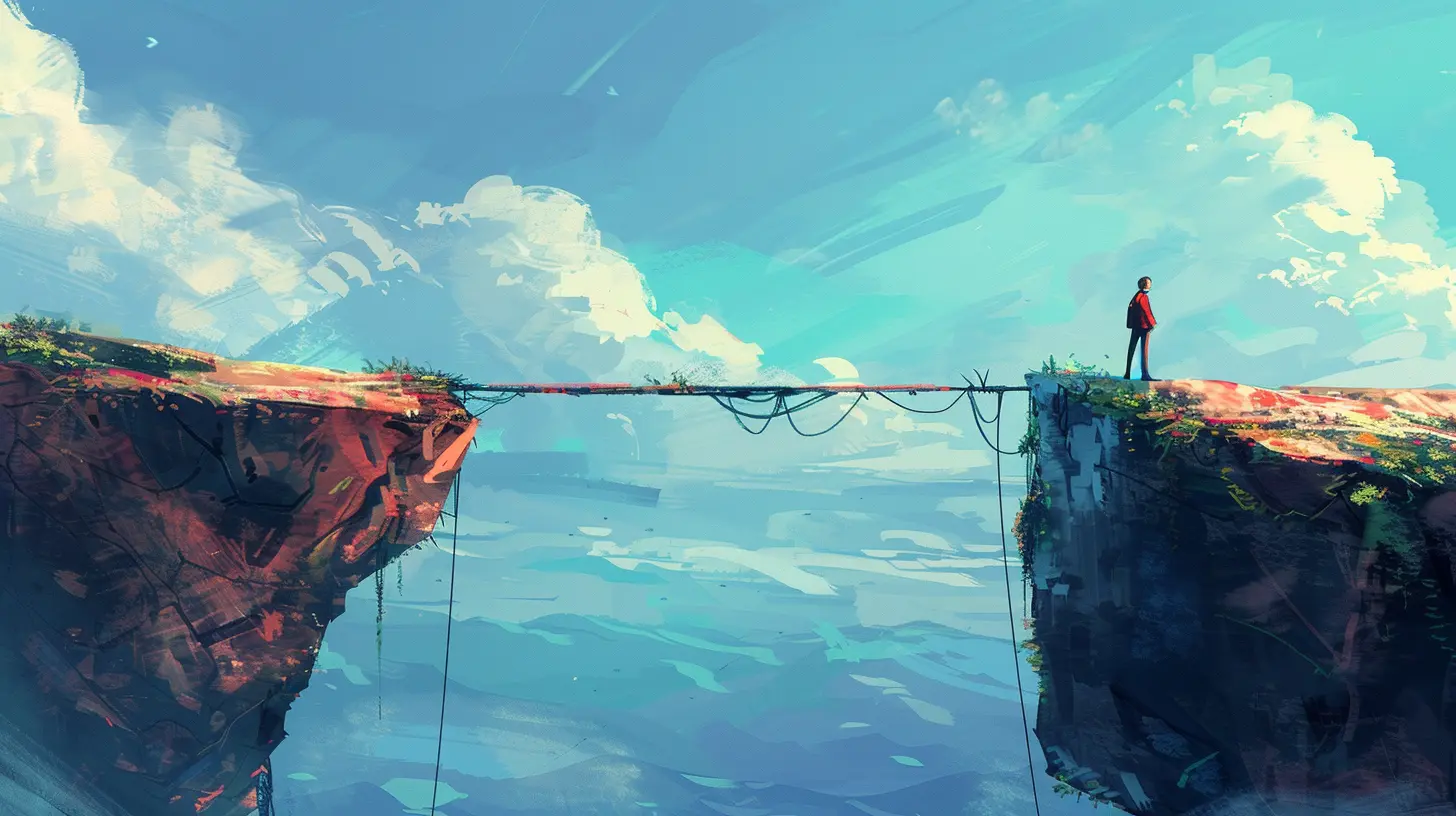
Why Getting the Balance Right Matters
Think about the last game you really loved. Why did you keep playing it? Was it epic loot drops after a tough boss fight? Nail-biting platforming with just the right retry system? That’s the magic of balance.When developers get challenge and reward aligned, players feel motivated, not punished. They feel accomplished, not handed everything on a silver platter. This balance is what keeps players coming back.
Game Progression: A Constant Tug-of-War
Game progress isn’t just about ticking off levels. It’s about feeling like you're growing, evolving, and mastering the mechanics. But if the challenge climbs too quickly without proper rewards, players burn out. If the rewards are handed out like candy with no effort needed, they lose meaning.It’s like going to the gym and lifting weights. If it's too easy, you're not building muscle. If it's too hard, you’re risking injury. You need the right resistance to grow. Same goes for games.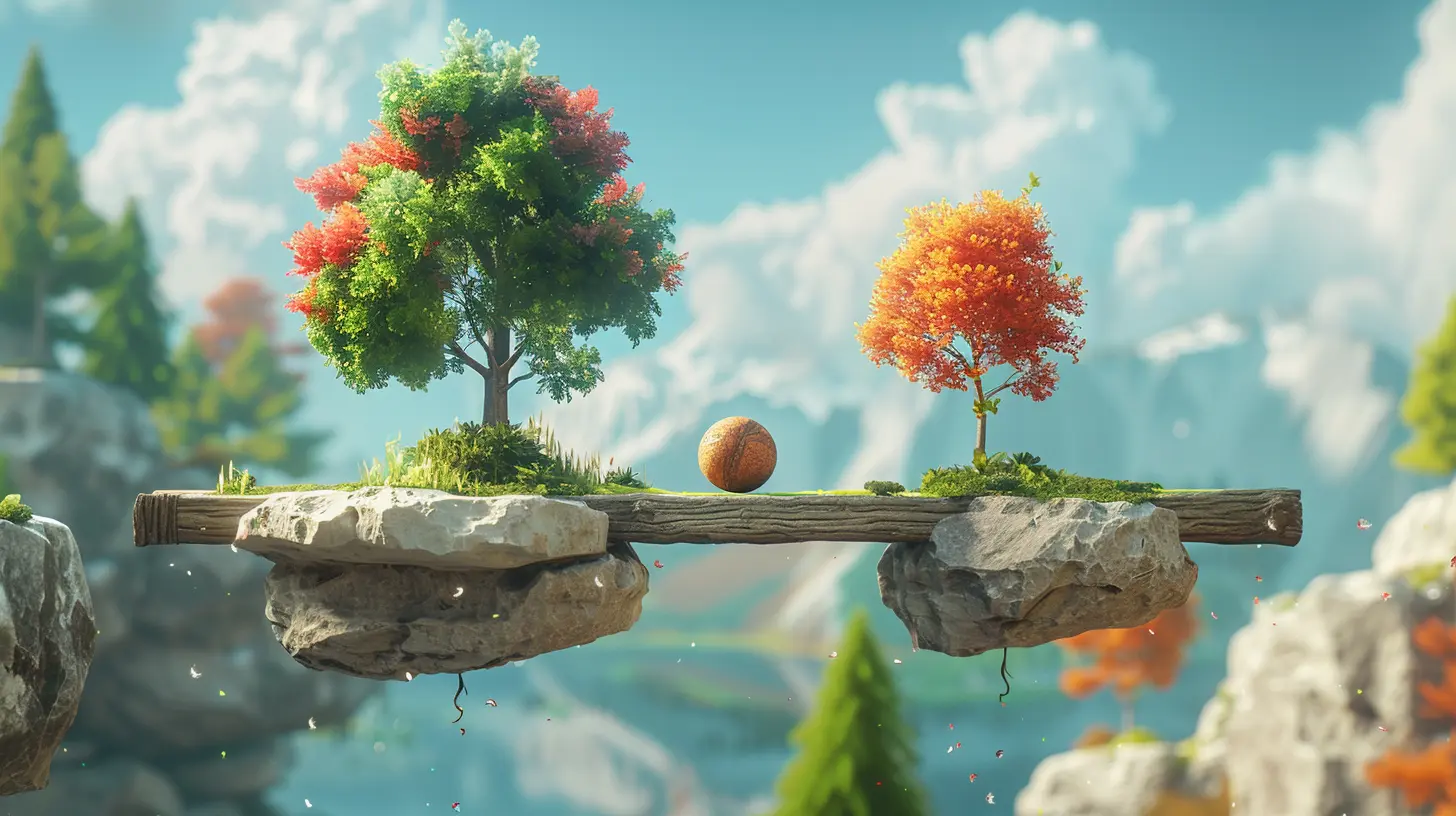
The Psychology Behind It All
Humans are wired for progress. It’s baked into our psychology. We love seeing level bars fill, hearing that “ding!” when we level up, and scoring loot that proves our effort wasn’t for nothing.Dopamine and Feedback Loops
Every time we achieve something in a game – a new skill, a rare item, or a major story beat – our brain releases dopamine. It’s that little buzz of satisfaction we chase. Designers craft these loops to keep us engaged.But here’s the twist — if the reward comes too easily, it doesn’t feel earned. And if it feels too far away or impossible, we just give up. The challenge has to be just tough enough to make us feel like we conquered something.
Core Elements of Balancing Challenge and Reward
Let’s break down the main tools developers use to keep this balance right:1. Difficulty Curves
Instead of throwing you into the deep end, good games ease you in. Think about how Super Mario Bros starts — flat ground, one enemy, simple jump. Then it builds.A well-crafted difficulty curve gradually ramps up the challenge. You gain skills as you go, alongside new mechanics. It’s paced like a rollercoaster — not flat, not always up, but thrilling and manageable.
2. Clear Goals and Feedback
Players need to know why they’re doing something. Whether it’s gold, gear, story progression, or bragging rights, there must be a reason. That’s where objective clarity and feedback come in.Give players clear goals and let them know when they’ve done something right. Think achievement pop-ups, XP bars, or a satisfying sound when you defeat a tough enemy.
3. Scaling Rewards
Not all rewards are created equal. Smart reward systems scale based on the effort or risk the player takes. For instance, beating a high-level boss should feel way more satisfying than clearing out easy mobs.This type of reward scaling reinforces the risk-vs-reward relationship and pushes players to take on bigger challenges.
4. Player Choice and Difficulty Modes
Not everyone plays the same way. Some folks want a chill story experience. Others want brutal, punishing difficulty (looking at you, Dark Souls). Offering difficulty modes or adaptable AI can help players tailor the experience to their liking.Even better? Games that adjust dynamically based on player skill — like the adaptive difficulty in Resident Evil 4. It keeps challenge relevant and rewards accessible.
The Pitfalls of Getting It Wrong
So what happens when you mess up that balance? You get rage quits, bad reviews, and players who ghost your game forever.Let’s look at two common screw-ups:
1. Overwhelming Difficulty
Ever played a game that felt more like punishment than fun? When your progress halts because enemies are too strong, the mechanics are unclear, or checkpoints are miles apart, you're more likely to rage-delete than power through.Games like this forget that challenge should be a test, not a wall.
2. No Real Challenge
On the flip side, zero challenge makes a game feel like watching paint dry. If the rewards come too easy, they lose all value. Think of loot boxes raining down after every encounter — it gets old fast if you didn’t work for it.Challenge gives context to the reward. It’s like earning your stripes versus just being handed a trophy for showing up.
Case Studies: Games That Got It Right
Let’s spotlight a few titles that nailed it:The Legend of Zelda: Breath of the Wild
This game drops you into a vast world with little handholding — challenge on tap. But the reward is freedom. The satisfaction of solving puzzles your way, surviving storms, and defeating mini-bosses feels truly earned. The balance between risk and exploration is near perfect.Celeste
Celeste is brutally difficult, yes. But it also has pinpoint controls, instant respawns, and optional assist modes. You’re challenged constantly, but never unfairly. And when you conquer a room? It feels like a true badge of honor.Hades
Supergiant Games managed to combine roguelite challenge with juicy rewards. You die a lot, but each run earns you progress. Upgrades, story bits, new weapons — you always feel like you’re getting something, even if you fail.How Developers Can Find the Right Balance
Here’s the real trick — balance is never one-size-fits-all. But here are a few methods that help devs hit the mark:Playtesting is Everything
Want to know if your boss fight is too hard? Watch five players try it. See where they struggle, quit, or rage. Testing is the only way to tune difficulty and rewards appropriately.Data-Driven Design
Modern analytics help track player behavior. Devs can monitor where players die, quit, or get stuck. This feedback loop helps refine game flow and progression.Modular Reward Systems
Instead of just XP or loot, great games offer layered rewards — cosmetic upgrades, story unlocks, fast travel points, achievements. These layered systems let different players find their own motivation.The Role of Narrative in Reward
Let’s not forget: story progression itself is a reward. Games like The Last of Us or God of War dangle narrative moments just ahead of big challenges. Finish that boss? Boom — you get a cutscene that pulls your heartstrings or reveals a twist.Story-driven rewards engage players emotionally, not just mechanically.
Multiplayer and PvP: A Different Kind of Balance
Balancing challenge in multiplayer games is a beast of its own. Here, the challenge is the other player.Rewarding Skill and Time
In competitive games, rewards need to reflect effort and skill without tipping into pay-to-win. Cosmetics, ranks, titles — these show off mastery without ruining balance.Matchmaking Matters
Smart matchmaking ensures players face opponents of similar skill. No one wants to get steamrolled every time they log in. Balanced matchmaking keeps the challenge fair and engaging.Player Autonomy Is Key
At the end of the day, players like to feel in control. Letting folks choose their path — whether sneaky or aggressive, slow or fast — makes them more invested.Games that let you manage your challenge (via builds, paths, or strategies) feel more rewarding because the victories are yours, not just scripted outcomes.
Final Thoughts: It's All About Feel
Balancing challenge and reward in game progress isn’t a formula — it’s a feel. It’s about emotion, not just numbers. Players should feel like they’re climbing a mountain where every step is worth it — painful, sure, but the view at the top? Totally epic.As developers continue to innovate, one thing’s for sure: the balance between challenge and reward will always be at the heart of what makes a game truly unforgettable.
So the next time you're sweating through a tough section, just remember — that moment means the reward is going to feel that much sweeter.
all images in this post were generated using AI tools
Category:
Game ProgressionAuthor:

Avril McDowney
Discussion
rate this article
2 comments
Lauren Willis
Great insights on balancing challenge and reward! Striking the right equilibrium can enhance player engagement and satisfaction. I'd love to see examples of games that have successfully achieved this balance in their design.
April 5, 2026 at 2:53 AM
Avril McDowney
Thanks for your feedback! Some great examples are "Celeste," "Dark Souls," and "Stardew Valley," where challenge and reward really shine. I'd be happy to discuss more!
Liv Perez
Striking balance enhances player engagement and satisfaction significantly.
April 2, 2026 at 3:17 PM
Avril McDowney
Absolutely, finding that balance is key to keeping players invested and enjoying the game.