Are AAA Games Losing Their Creative Edge?
29 July 2026
Let’s face it — gamers have never had more choices. From sprawling open-world adventures to quirky indie titles that push boundaries, there’s something for everyone nowadays. But amid all these options, there’s one question that keeps popping up in forums, YouTube comments, and even in casual chats between friends: _Are AAA games losing their creative edge?_
If you’ve been gaming for a while, you’ve probably sensed it too. Some of the biggest, most expensive releases have started to feel more like polished reruns than groundbreaking, memorable experiences. So what's going on? Are developers running out of ideas, or is something bigger at play?
Let’s dig deep into this topic, talk about what’s going wrong, and maybe even what’s going right.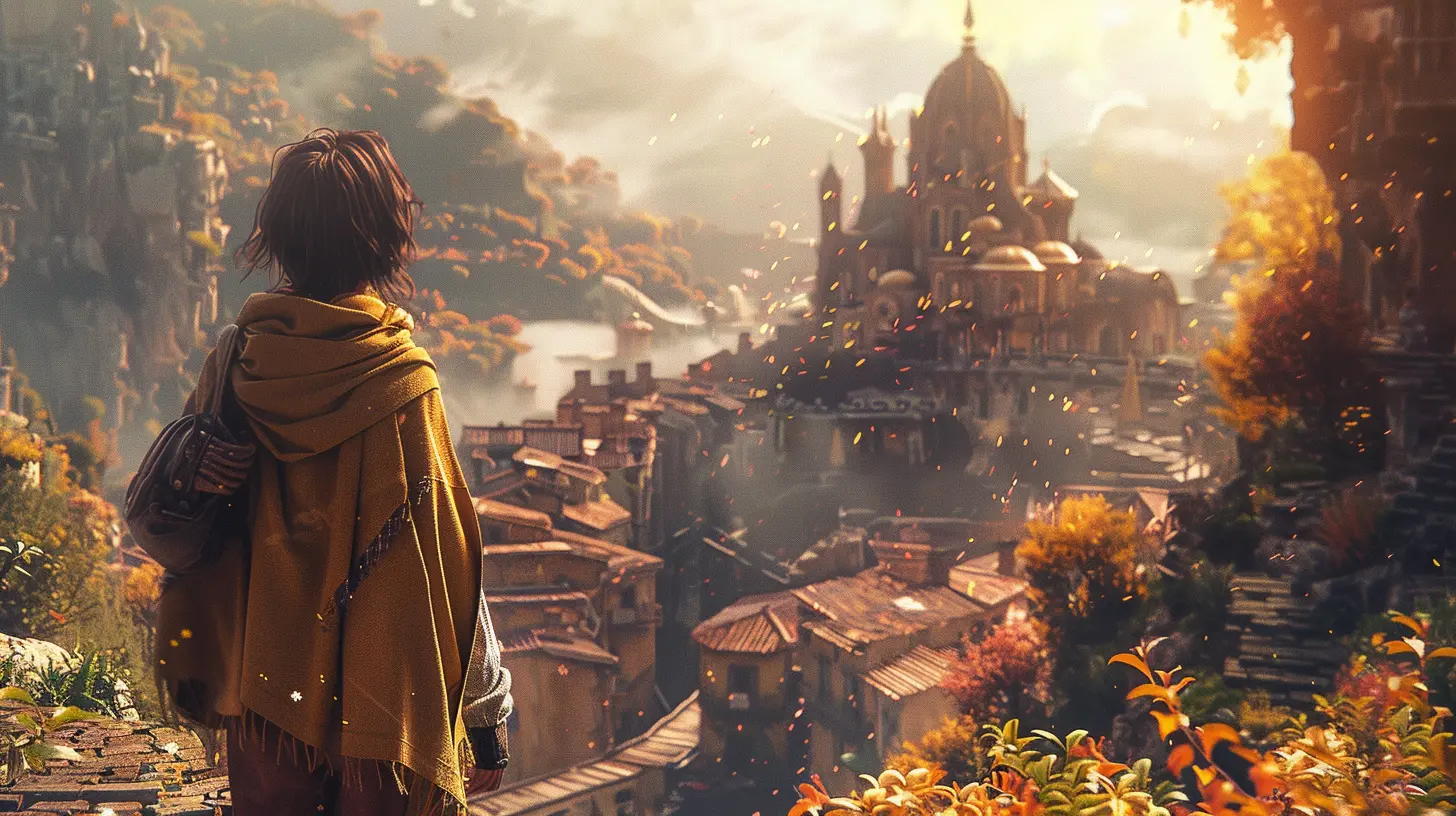
What Exactly Are AAA Games?
Before we jump into the why and how, let’s quickly clarify what we mean by AAA games.AAA (pronounced “Triple-A”) refers to games with the highest levels of investment — we’re talking blockbuster budgets, massive marketing campaigns, and hundreds (sometimes thousands) of people working behind the scenes. Think of franchises like _Call of Duty_, _Assassin’s Creed_, _FIFA_, and _Grand Theft Auto_. These are the big dogs with the flashiest graphics, the most hype, and usually, the highest expectations.
But here’s the thing — with all that money and manpower comes pressure. Lots of it. And that’s where the trouble begins.
The Creativity Conundrum
Playing It Safe Over Taking Risks
Ever notice how some AAA games feel like deja vu? Like you've played the same missions, earned the same loot, and watched the same cutscenes — just under a different title? You're not alone.The reason? Risk aversion.
When a studio drops millions on a game, the last thing they want is to flop. That often means sticking with “what works” instead of trying something new. Publishers want sure wins over creative experiments. So we end up getting sequels, remakes, and reboots — rinse and repeat.
It’s like the Hollywood of gaming. Sure, people love superhero movies and cinematic universes, but how many times can you really reboot Spider-Man before it starts to feel stale?
Franchise Fatigue Is Real
We’re bombarded with annual releases from some franchises. Year after year, we get another _Call of Duty_, another _FIFA_, another open-world Ubisoft title with towers to climb (you know what I mean).And while these games often sell well — thanks to fan loyalty and marketing — many gamers are left wanting more. Something fresh. Something bold.
The problem is, consistent profits make it hard for publishers to justify shaking up the formula. Why mess with success, right?
But creativity doesn’t thrive in safe zones.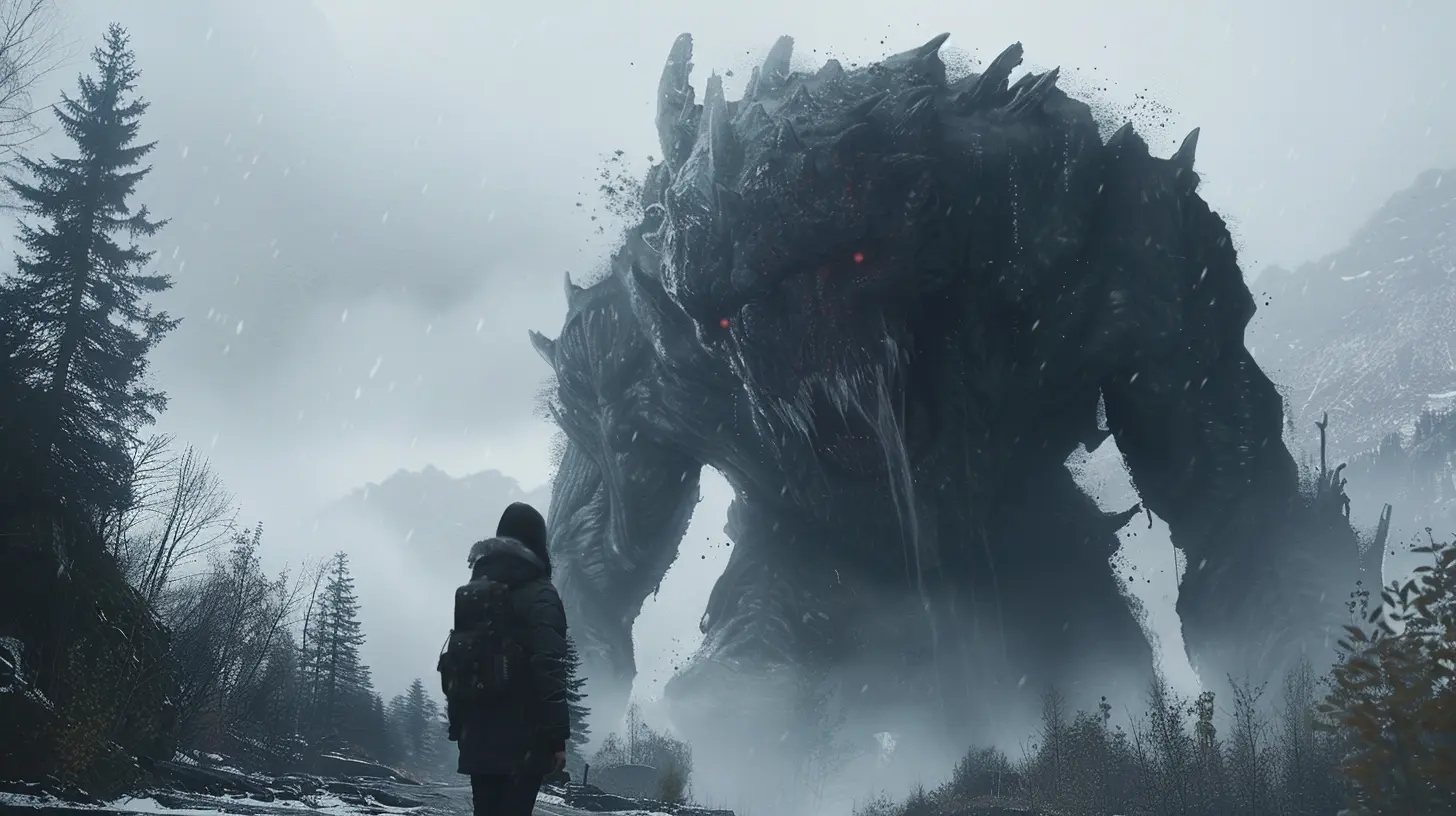
The Rise of the Cookie-Cutter Gameplay Loop
Let’s talk about one of the biggest culprits: the gameplay loop.Open-world AAA games often fall into the same pattern:
- Go here
- Kill this
- Collect that
- Watch a cutscene
- Rinse, repeat
Sure, the settings might change — from medieval castles to futuristic cities — but the loop often stays the same. There’s little innovation, just a shinier coat of paint.
Why? Because these systems are proven to keep players engaged. They’re designed with player retention in mind, not necessarily player _imagination_. It’s like junk food for gamers — satisfying in the moment, but forgettable after.
And very often, these loops are padded with tedious side quests or repetitive grind mechanics. It's not that these games aren't fun — it's that they rarely surprise us anymore.
Games As Products, Not Passion Projects
AAA games are expensive to make. We’re talking budgets that sometimes rival Hollywood blockbusters. And when that kind of cash is on the line, games become less about innovation and more about returns. That’s just how business works.But here’s the catch — treating a game purely like a product can sometimes squeeze the soul out of it.
Compare this to indie games, where smaller teams are free to experiment, fail, pivot, and ultimately create something unique. Titles like _Hades_, _Celeste_, and _Undertale_ didn’t have huge budgets, but they had heart. And it showed.
AAA studios, on the other hand, often have to report to shareholders. That means fewer risks, more microtransactions, and corporate strategies that prioritize monetization over magic.
Shiny Graphics, Dull Mechanics
Let’s not ignore the elephant in the room: AAA games look incredible. The visuals are incredibly lifelike. The voice acting is top-notch. The cinematics could rival Hollywood.But high fidelity doesn’t always equal high creativity.
Sometimes, all that effort goes into making things _look_ good, but the actual gameplay falls flat. It's like buying a sports car with a lawnmower engine under the hood. Sure, it looks amazing — but is it fun to drive?
Games are, first and foremost, meant to be played. When the focus shifts too heavily toward aesthetics, the soul of the gameplay can get lost.
The Monetization Maze
Now let's talk money — or more specifically, how AAA games make it.It used to be simple: you buy the game, and you’re good to go. Now? It’s season passes, battle passes, loot boxes, and in-game stores.
Monetization has gotten so aggressive in some AAA titles that it feels like the creative decisions are being made by finance departments instead of developers. That killer weapon design? It’s locked behind a paywall. That cool armor? Gotta grind or pay. That story DLC? Coming next year — at an extra cost.
Sure, devs need to make a living. But when revenue becomes the main goal, creativity tends to take a backseat.
Exceptions That Prove the Rule
Of course, not all AAA games lack creativity. Let's give credit where it’s due.Games like _Elden Ring_, _The Legend of Zelda: Breath of the Wild_, and _God of War Ragnarök_ have all shown that big-budget games can still push boundaries, tell compelling stories, and wow players with innovation.
Fromsoftware turned the open-world formula on its head with _Elden Ring_, letting players explore at their own pace without hand-holding. _Breath of the Wild_ encouraged creative problem-solving over linear design. And _God of War_ reinvented its own legacy in a bold and heartfelt way.
So yeah, it’s possible. But these are the exceptions — not the norm.
What Gamers Really Want
At the end of the day, we as gamers don’t just want fancy graphics and smooth framerates. We crave immersion. We want to be surprised. We want to feel things — whether it’s excitement, fear, joy, or sorrow.But when everything starts to feel the same, we drift. That's why players are flocking to indie games or modded communities. They’re hungry for innovation, even if it comes in a less polished package.
We don’t care if the tree textures aren’t 4K. We care if the game gives us something to remember.
Can AAA Games Regain Their Creative Spark?
Absolutely. The talent is still there. The passion is still there. What’s missing is the willingness to take risks.Studios need to trust their creative leads. Publishers need to allow for more artistic freedom. And maybe — just maybe — gamers need to put their money where their mouth is and support riskier, more innovative projects.
And guess what? It’s already happening.
More AAA developers are breaking off to form their own studios. We’re seeing “AA” games — mid-budget titles that blend the polish of AAA with the soul of indie — starting to catch fire. The industry is evolving, and the demand for creativity is louder than ever.
Final Thoughts
So, are AAA games losing their creative edge?Yeah, kind of. But it’s not all doom and gloom. While many big-budget games play it safe these days, the industry still has the tools, talent, and potential to surprise us again.
The real question is — will they take the leap?
Because if we want more memorable, meaningful games, we can’t keep rewarding the same tired formulas. We need to cheer on bold ideas, weird mechanics, and fresh voices. Whether those come from AAA studios or indie masterminds doesn’t matter. What matters is that the magic returns.
And honestly? We’re ready for it.
all images in this post were generated using AI tools
Category:
Aaa GamesAuthor:

Avril McDowney